История казино как азартные игры изменили общество
March 18, 2026Perspectivas culturales sobre el juego en diferentes sociedades hispanohablantes
March 19, 2026
Understanding gambling addiction A guide from Pin-Up
What is Gambling Addiction?
Gambling addiction, also known as compulsive gambling, is a behavioral disorder characterized by an uncontrollable urge to gamble despite the negative consequences it may bring. Individuals suffering from this addiction often prioritize gambling over essential aspects of their lives, including relationships, work, and health. This relentless pursuit of gambling can lead to significant financial issues, emotional distress, and even legal problems. For example, many cinematic portrayals capture the glitz of casinos, such as those discussed in https://www.moviemaker.com/the-most-stylish-casino-scenes-of-the-last-50-years-a-technical-and-aesthetic-audit/.
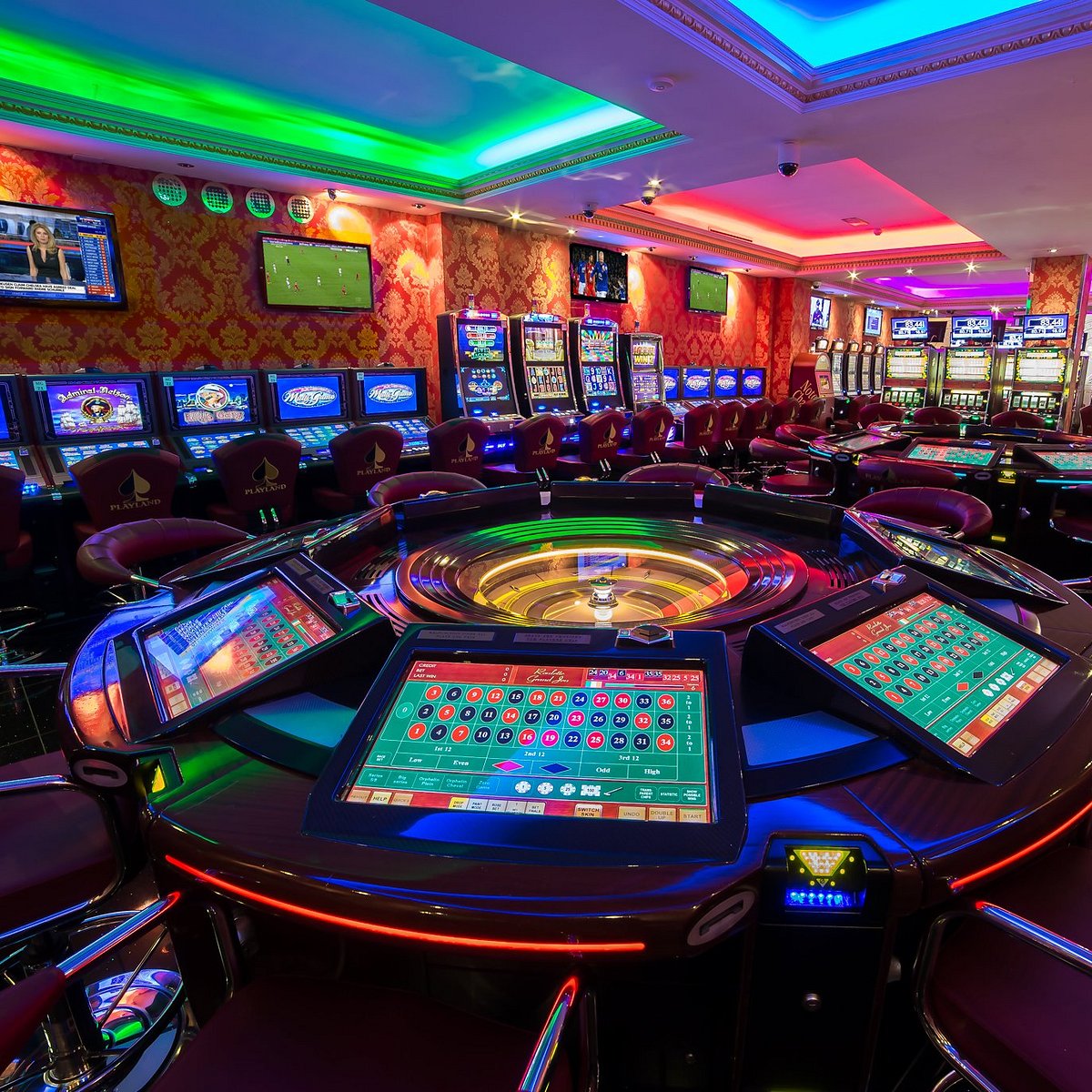
The allure of gambling often lies in the thrill of winning, which can create a cycle of excitement and disappointment. As individuals lose money, they may gamble more in an attempt to recoup their losses, leading to a downward spiral. Recognizing the signs of gambling addiction early can be crucial in mitigating its effects.
Signs and Symptoms of Gambling Addiction
Identifying gambling addiction can be challenging, as many individuals may not recognize their behavior as problematic. Common signs include preoccupation with gambling, lying about gambling activities, and experiencing withdrawal symptoms when not gambling. Individuals may also spend increasing amounts of time and money on gambling, leading to financial instability.
Emotional symptoms, such as feelings of guilt, anxiety, or depression related to gambling, are also prevalent. Moreover, individuals may find it increasingly difficult to control their gambling habits, even when they want to stop. Awareness of these symptoms is essential for both individuals and their loved ones to seek help.
Consequences of Gambling Addiction
The repercussions of gambling addiction can be devastating and far-reaching. Financial problems often escalate, leading to debt, bankruptcy, and strained relationships. Loved ones may suffer from the emotional fallout, facing betrayal and disappointment from the individual’s gambling behavior.
Additionally, mental health issues often accompany gambling addiction, with individuals experiencing anxiety, depression, or even suicidal thoughts. These consequences underline the importance of addressing gambling addiction not only as a personal issue but as a broader societal concern that affects families and communities.
Path to Recovery
Recovering from gambling addiction is a challenging yet achievable journey. It typically begins with acknowledging the problem and seeking help from professionals. Therapy, support groups, and counseling can provide the necessary tools and support to overcome addiction. Many individuals find solace in sharing their experiences with others who understand their struggles, fostering a sense of community.
Developing coping strategies is essential for maintaining recovery. Individuals may need to establish new routines, find healthier hobbies, and set clear boundaries to avoid triggers. The road to recovery can be long, but with commitment and support, individuals can reclaim their lives from gambling addiction.

Pin-Up’s Commitment to Gambling Addiction Awareness
At Pin-Up, we recognize the importance of raising awareness about gambling addiction. Our platform serves not just as a place for entertainment, but also as a resource for education and support. In Canada, Pin Up Canada aims to promote responsible gambling practices and provide resources to help individuals struggling with addiction.
Our commitment extends to offering guidance and information about seeking help. By fostering a community focused on awareness and support, we aim to contribute to healthier gambling experiences for everyone involved. Understanding gambling addiction is the first step toward recovery, and we are here to help guide you through that journey.
